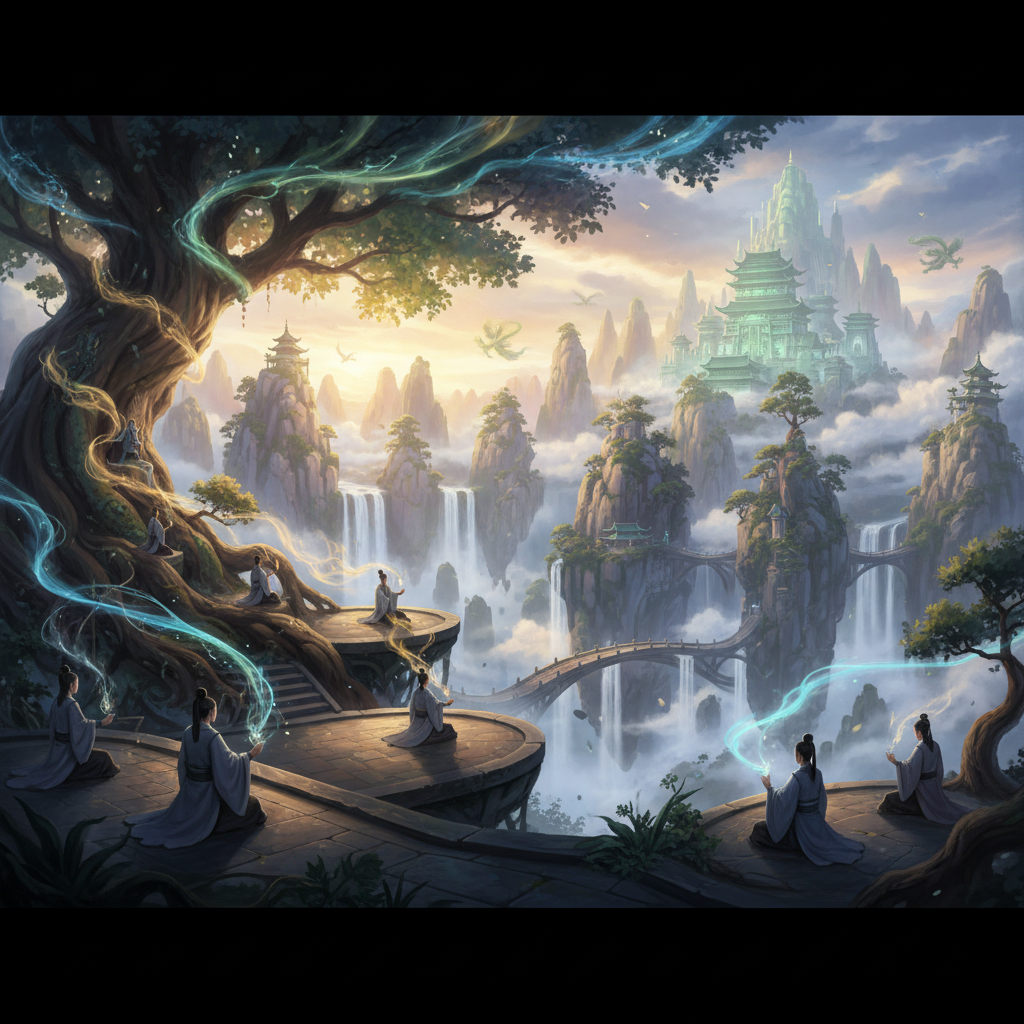
Introduction to Chinese Cultivation and Xianxia Fiction
Chinese cultivation fiction, often referred to as xianxia fiction, has garnered international fascination for its rich blend of mythology, Taoist philosophy, and epic storytelling. At its core, xianxia revolves around the theme of immortal cultivation—progressing beyond mortal limits through spiritual, physical, and alchemical practices. This genre explores profound concepts such as spiritual realms and sects, which underpin much of the fictional world-building and plot development. Understanding these elements provides valuable insight into the cultural and historical significance embedded in this popular literary form.
Historical Origins of Cultivation Sects
The concept of sects within cultivation fiction finds roots in ancient Chinese religious and philosophical traditions, particularly Taoism, Buddhism, and Confucianism. Historically, sects were real religious communities dedicated to spiritual practice and moral discipline, often isolated in mountains or sacred sites. In xianxia narratives, sects evolve into powerful clans or academies that nurture disciples through rigorous training methods, esoteric knowledge, and spiritual refinement.
These sects often symbolize different cultivation philosophies or elemental affinities—such as fire, water, or earth—mirroring the diversity seen in historical Daoist schools. The sect system also reflects China’s long history of hierarchical organizations and loyalty structures, illustrating social dynamics that appeal to readers familiar with Confucian values of order and respect.
The Role and Structure of Sects in Fictional Worlds
In cultivation fiction, sects function as more than just training grounds—they are pivotal social institutions where characters forge alliances, face rivalries, and confront moral dilemmas. Their hierarchical structures typically include elders, masters, disciples, and sometimes secret internal factions, creating layered story opportunities.
Sects often control unique locations called spiritual realms or sacred grounds—hidden dimensions or mystical places that amplify a cultivator’s abilities. These realms may house rare resources, ancient artifacts, or mythical beasts essential to a cultivator’s progression. The spiritual realms act as metaphorical and literal spaces where characters confront internal and external challenges, embodying Taoist ideals of harmony between man, nature, and the cosmos.
Understanding Spiritual Realms and Their Significance
Spiritual realms in xianxia are mystical planes or layers of existence that characters traverse or inhabit during their cultivation journey. These realms often serve as training arenas or battlegrounds and vary widely in scale and nature—from pocket dimensions to vast cosmic territories. Their existence adds depth to narrative worldbuilding, allowing for explorations of metaphysics and transcendence central to the genre’s themes.
The portrayal of spiritual realms captures Taoist and Buddhist concepts related to different states of being, enlightenment, and the cycle of rebirth. Characters often ascend through these realms by refining their Qi (life energy), overcoming bottlenecks, and breaking limitations tied to human existence. This progression symbolizes the path to immortality—a transcendence from mortal suffering to divine freedom.
Cultural and Philosophical Impact of Sects and Spiritual Realms
The appeal of cultivation sects and spiritual realms lies in their reflection of deeply ingrained Chinese cultural ideals, such as perseverance, balance, and self-cultivation. The focus on communal training within sects conveys Confucian principles of social harmony and respect for elders, while the emphasis on spiritual realms and Daoist concepts elevates the metaphysical quest for immortality and enlightenment.
These stories also metaphorically address human existential concerns—struggles for self-improvement, the quest for meaning, and the negotiation between individual ambition and societal expectations. By weaving historical symbolism with fantasy, xianxia fiction fosters a unique cultural dialogue that resonates across generations and cultures.
Conclusion: The Enduring Legacy of Sect and Realm Narratives
From their ancient religious origins to their imaginative modern interpretations, sects and spiritual realms remain vital to the allure of Chinese cultivation and xianxia fiction. They form narrative frameworks that balance action and introspection, individual transcendence and community loyalty. As xianxia continues to grow in global popularity, understanding the historical and cultural context of these elements enriches readers’ appreciation of the genre’s profound storytelling and philosophical depth.