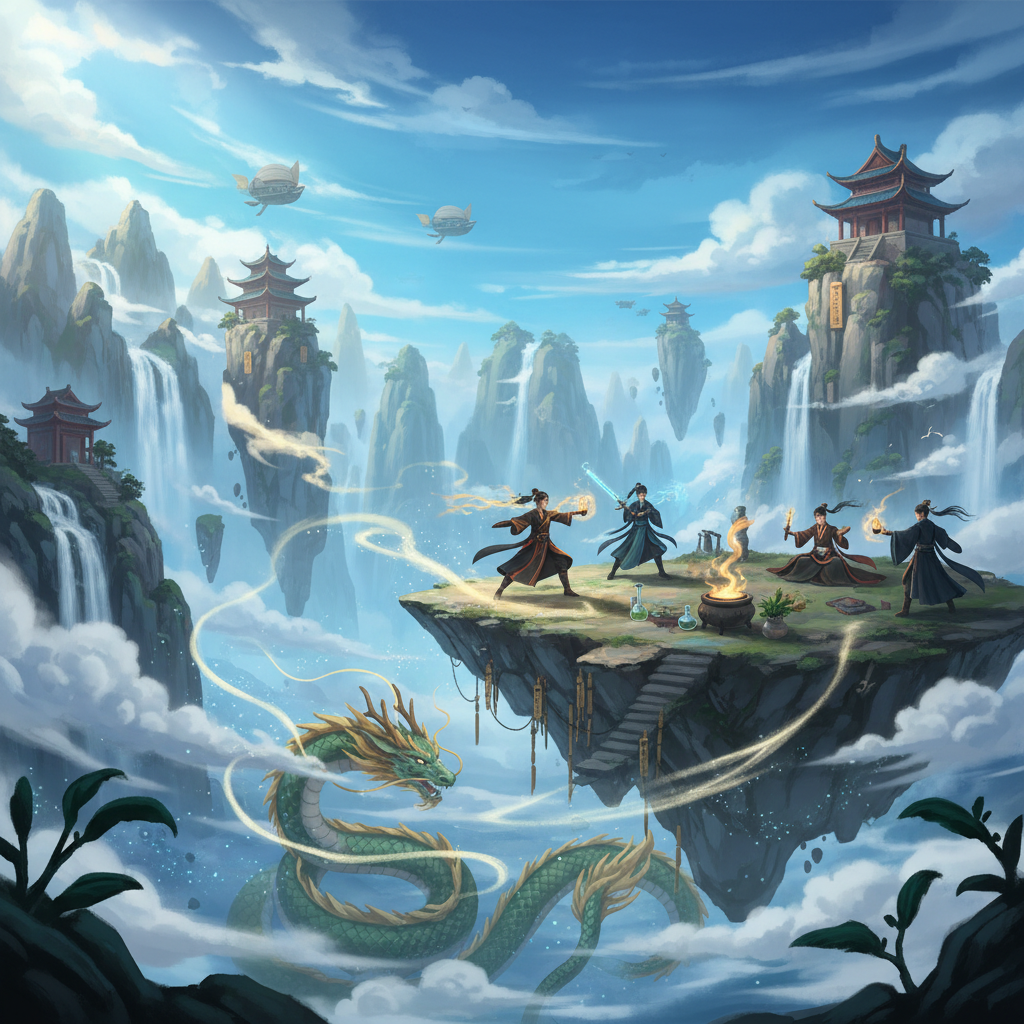
The Allure of Chinese Cultivation Fiction
Chinese cultivation fiction, often referred to as xianxia, is a genre that mesmerizes readers with tales of immortality and self-discovery. Rooted in ancient Chinese philosophy and mythology, these stories narrate the journeys of protagonists who strive to become immortals through rigorous training, mastery of alchemy, and transcending the ordinary laws of the universe. As this genre continues to captivate audiences worldwide, it’s essential to delve into its components, cultural significance, and the enchanting realms it presents.
Historical Context: A Journey Through Time
The origins of cultivation fiction can be traced back to the Daoist classics of ancient China, where the concept of achieving immortality was not merely a fantastical idea but an integral part of spiritual philosophy. The Daoist pursuit of harmony with nature and the cosmos laid the groundwork for cultivation literature. These early texts described various methods of self-cultivation, alchemical transformations, and metaphysical realms.
During the Tang and Song dynasties, the genre began to flourish alongside a burgeoning interest in fantasy literature. Classical works, such as "Investiture of the Gods" (Fengshen Yanyi), incorporated elements of magic, battles, and divine intervention, steering the narrative towards the fantastical. As a result, modern xianxia literature borrows heavily from these established archetypes, blending history, mythology, and personal evolution into engrossing narratives that remain relevant among contemporary readers.
Cultural Significance: Reflection of Aspirations
The universal appeal of xianxia lies in its exploration of perseverance, self-improvement, and the deep-seated desire for wisdom and enlightenment. Cultivation fiction reflects societal values, encapsulating the age-old quest for knowledge and mastery over oneself. Immortal cultivation serves as a metaphor for personal growth; the characters' struggles and eventual ascension resonate with readers striving for their own aspirations in life.
Within Chinese culture, the ideals portrayed in cultivation fiction—such as balance, harmony, and resilience—are deeply rooted in Confucian, Daoist, and Buddhist teachings. The concept of “Tao” (the way) encourages adherents to find their path towards self-actualization, further enhancing the genre's relevance and impact on both Chinese individuals and global audiences drawn to Eastern philosophies.
Immortal Cultivation and Alchemy: A Detailed Exploration
Alchemy stands as a central theme within cultivation fiction, weaving a tapestry of magical practices and transformative processes. Immortal cultivators enter into an intricate world where they refine techniques to create elixirs, develop spiritual herbs, and attain higher states of being. This journey often involves a meticulous understanding of nature's laws and the cultivation of one’s Qi (life energy), which is essential for one’s progression through various spiritual realms.
These spiritual realms reflect the cumulative achievements of cultivators on their quest for immortality. Each realm showcases different challenges, such as navigating intricate sect politics, facing formidable demon beasts, or overcoming the influence of corrupt celestial beings. The hierarchical structure of realms emphasizes growth, both in power and moral character, portraying a path where one’s actions define their destiny.
The Role of Spiritual Realms in Narrative Development
In xianxia stories, spiritual realms serve as a backdrop for conflict and growth. Characters often travel between realms, each offering unique challenges that test their resolve. These fantastical settings are meticulously crafted, combining mythological elements with elaborate world-building. The existence of pocket dimensions and secret realms allows for endless possibilities in storytelling, creating profound experiences that engage readers.
These realms also highlight the connectedness of all beings in the universe, reflective of classical Chinese cosmology where heaven, earth, and humanity intertwine. As characters navigate this multidimensional world, they not only seek power and knowledge but often confront their moral dilemmas, adding depth to their journeys.
Conclusion: The Enduring Legacy of Cultivation Fiction
As cultivation fiction continues to evolve, its themes resonate beyond cultural borders, inspiring a global audience. The genre’s exquisite blend of alchemy, spiritual growth, and exploratory narratives offers readers a unique lens through which to examine personal aspirations and challenges.
The enchanting world of xianxia beckons with the promise of immortality and the pursuit of wisdom, ensuring its place as a celebrated genre that captivates hearts and minds across generations. Through its rich historical context and cultural significance, Chinese cultivation fiction invites readers to embark on their own journeys toward enlightenment.