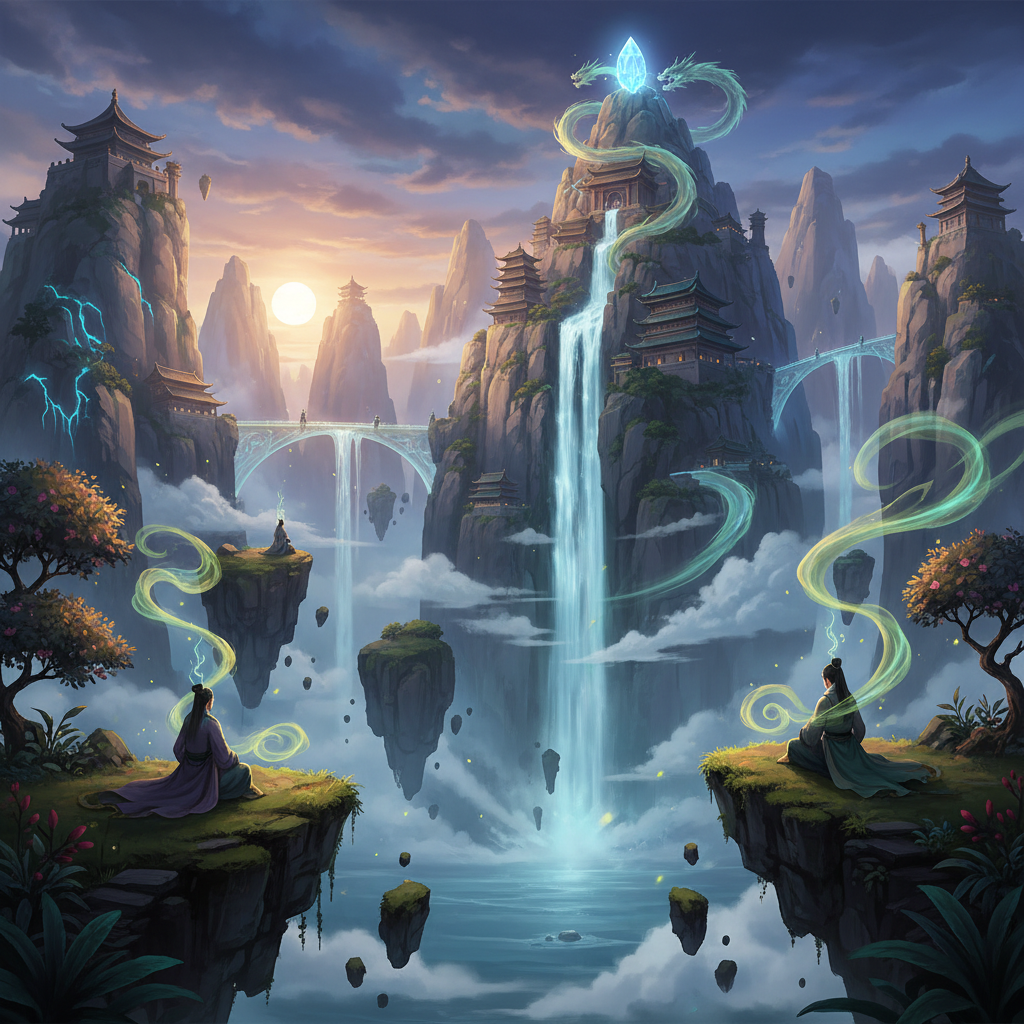
Introduction to Chinese Cultivation and Xianxia Fiction
Chinese cultivation fiction, particularly the sub-genre known as Xianxia, has gained immense popularity both within China and globally. This genre weaves a rich tapestry of themes related to immortal cultivation, spiritual realms, and the clash between mortal and celestial beings. Xianxia translates literally to "immortal heroes," encapsulating the journey of characters as they transcend the human realm through rigorous training and spiritual enlightenment.
The roots of cultivation fiction can be traced back to ancient Chinese philosophical and religious texts, such as Daoism and Buddhism, which teach the pursuit of spiritual elevation. This historical context forms a foundation for the narrative structures and character developments seen in modern works, deepening the cultural significance of these stories.
The Fundamentals of Immortal Cultivation
At the heart of Xianxia fiction lies the concept of "cultivation," a process through which characters strive to attain immortality and enhance their spiritual abilities. This is often depicted as an arduous journey involving meditation, alchemy, martial arts, and various forms of training. Characters engage in these practices with the hope of ascending through several cultivation realms, each with distinct challenges and rewards.
Cultivation realms typically include stages such as Foundation Establishment, Core Formation, and Nascent Soul, culminating in the lofty heights of the Immortal realm. With each advancement, practitioners not only augment their physical powers but also gain access to mystical abilities, such as manipulating elemental forces or harnessing the energies of nature.
A vital element in this process is the use of elixirs or pills, meticulously crafted using rare herbs and ingredients. These concoctions provide significant boosts to the cultivators, facilitating breakthroughs and enhancing their overall prowess. This aspect not only highlights the creativity within the genre but also its connection to traditional Chinese medicine and alchemical practices.
Spiritual Realms: The Cosmic Tapestry
As characters progress in their cultivation journeys, they often encounter diverse spiritual realms that reflect the hierarchy of existence. Each realm contains its own set of challenges, allegiances, and conflicts, representing the philosophical belief in a multilayered universe. These realms are not merely physical spaces but also metaphysical aspects that challenge a character’s understanding of power, morality, and human connection.
Examples include the Spirit Realm, where practitioners might confront spiritual entities; the God Realm, where celestial beings dwell; and the Demon Realm, often portrayed as a chaotic, lawless territory. The interplay between these dimensions adds depth to the narrative, often manifesting as conflicts stemming from the ambitions of worldly and unworldly beings.
Moreover, the concept of 'fate' plays a critical role in Xianxia stories, intertwining destiny with the paths of cultivation. Characters often wrestle with the notions of free will versus predestination, making their journeys not only a quest for power but also an exploration of their identities.
Cultural Significance and Modern Adaptations
The themes explored in cultivation fiction resonate strongly with traditional Chinese values, stressing the importance of perseverance, moral integrity, and respect for nature and the cosmos. These stories serve as both entertainment and moral parables, teaching readers the values of self-discipline, altruism, and the pursuit of a greater good.
In recent years, the global popularity of Chinese cultivation fiction has surged, largely influenced by web novels and adaptations into manhua, donghua (animated series), and live-action dramas. Titles such as "Mo Dao Zu Shi" (Mo Dao Zu Shi – Grandmaster of Demonic Cultivation) and "Tian Guan Ci Fu" (Heaven Official’s Blessing) have captivated audiences, presenting beautifully woven tales of adventure, romance, and philosophical inquiry.
Moreover, the rise of digital platforms has allowed aspiring writers and creators to share their works with global audiences, further diversifying the genre and introducing varied interpretations of cultivation. Fans often engage through online communities, sharing fan art, discussions, and fan translations, further enriching the cultural dialogue surrounding Xianxia fiction.
Conclusion: The Timeless Appeal of Xianxia Fiction
Chinese cultivation and Xianxia fiction remain captivating for their intricate plots, well-developed characters, and profound philosophical underpinnings. The blend of adventure and spirituality draws on ancient traditions while appealing to modern sensibilities, creating a unique cultural phenomenon. As the genre continues to evolve and expand, its ability to resonate across borders speaks to the universal quest for knowledge, enlightenment, and understanding one's place in the universe.
Whether you are a seasoned fan or a newcomer, exploring the mystical worlds of cultivation fiction promises a journey full of wonder, wisdom, and adventure.