The Foundations of Chinese Cultivation Fiction
Chinese cultivation fiction, prominently featured in the xianxia (仙侠) genre, has roots extending deep into the country's rich literary history. Originating from ancient philosophical texts, these narratives revolve around the concept of spiritual cultivation, where characters strive to transcend their mortal limitations to attain immortality and god-like status. The term "xia" refers to chivalrous heroes, while "xian" embodies immortality. This duality reflects traditional Chinese beliefs regarding the balance of humanity and the quest for higher spiritual realms.
Historically, literature about immortal beings emerged with texts such as the "Dao De Jing" by Laozi and "Zhuangzi," which inform the philosophical dimensions of cultivation. Cultivation fiction gained popularity during the Tang and Song Dynasties, evolving through oral traditions into the serialized narratives we know today, especially as the internet age facilitated widespread access to these stories.
Core Concepts of Immortal Cultivation
At the heart of xianxia fiction lies the practice of "cultivation," an intricate process involving the refinement of the self to harness natural energies known as "qi." Characters often embark on journeys that encompass various forms of practices, such as meditation, alchemy, martial arts, and the pursuit of spiritual pills, each pivotal to their ascension through discrete cultivation realms.
Cultivation is generally classified into layers or tiers, each signifying a spiritual stage. These tiers, ranging from foundational realms like the Foundation Establishment to impeccable stages such as the Immortal Ascension, represent not only the character's power but also their understanding of the universe's intricate laws. This structured hierarchy adds an element of strategy and competition, where characters must overcome profound challenges, engage with mentors—often referred to as “masters”—and navigate the socio-political landscapes of cultivation sects.
The Role of Spiritual Realms and Their Significance
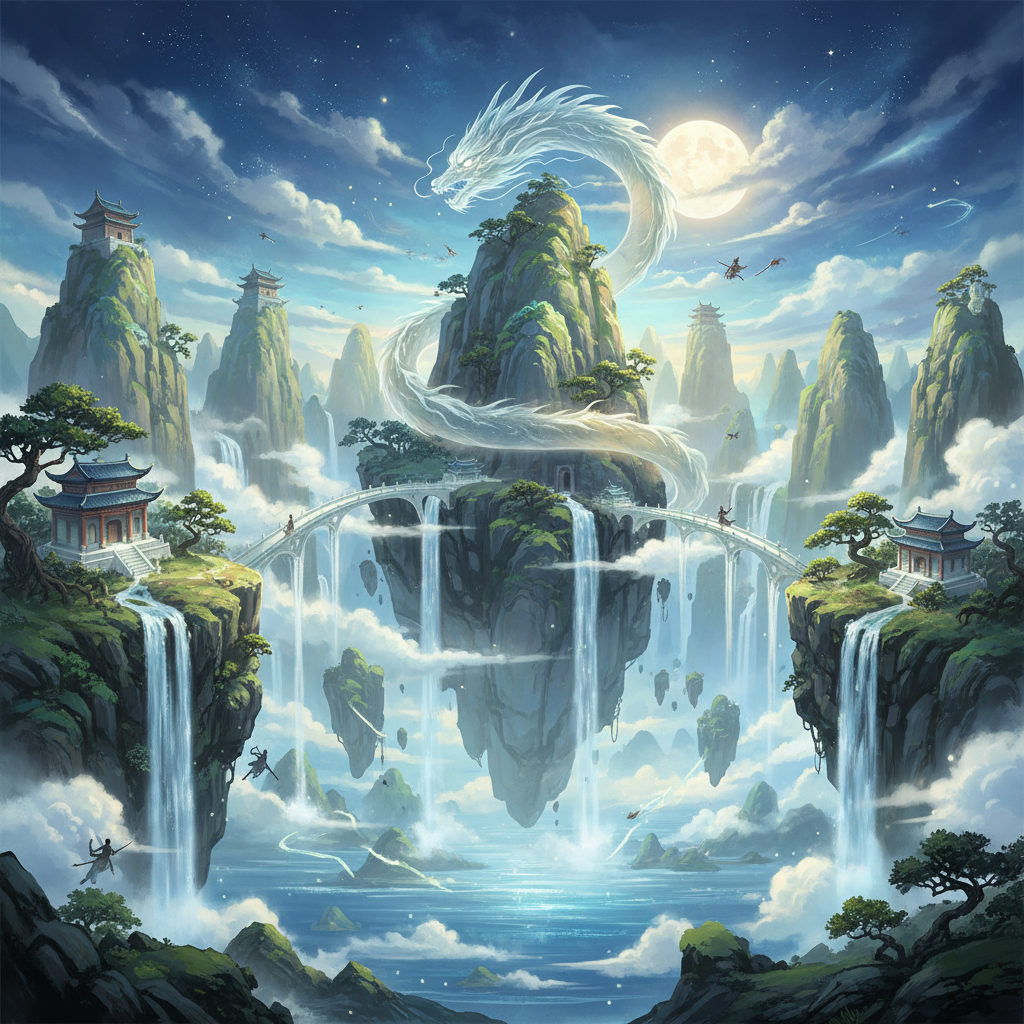
As characters progress, they often encounter spiritual realms, mystical dimensions that serve as testing grounds for their abilities and resolve. These realms—often depicted as ethereal landscapes filled with opportunities for enlightenment and peril—play a critical role in the narrative structure of xianxia fiction. They are essential not just for personal character growth but also for developing the broader thematic elements of transcendence and discovery.
Each spiritual realm introduces unique challenges and treasures that contribute to the protagonist's journey. The existence of these realms can be related to concepts of alternate dimensions and spiritual presences deeply embedded in Chinese cosmology. By showcasing the protagonists' struggles in these realms, xianxia authors illuminate the cultural significance attributed to self-discovery and moral fortitude.
Cultural Symbols and Archetypes in Cultivation
Xianxia fiction is rich in cultural symbols that resonate with Chinese heritage, such as the phoenix representing rebirth and the dragon symbolizing strength and power. Moreover, archetypal characters, including the wise mentor, the determined protagonist, and the malicious rival, resonate with traditional storytelling methods, providing readers relatable figures grounded in a deeper cultural narrative.
These elements can be traced back to the "Eight Immortals" (八仙), legendary figures in Chinese folklore, who embody ideals of wisdom, virtue, and resilience. Writers of xianxia draw upon these archetypes to weave familiar tales that evoke a sense of nostalgia while simultaneously reinterpreting these stories for modern audiences with the addition of complex plots and diverse characters.
The Global Influence of Chinese Cultivation Fiction
In recent years, xianxia fiction has transcended its cultural boundaries, gaining popularity around the world through web novels, television adaptations, and animation. International readers are drawn to the escapism, moral dilemmas, and rich world-building that cultivation narratives offer. This globalization has sparked an interest in eastern philosophies of existence and spirituality, thereby fostering a cultural exchange between Eastern and Western traditions.
Moreover, xianxia influences reflect in various contemporary works, ranging from fantasy novels to video games, indicating an enduring relevance in the realms of storytelling. As more creators tap into the allure of cultivation, we observe a fusion of styles that enrich both traditional and modern narratives.
Conclusion: The Lasting Legacy of Cultivation Fiction
The xianxia genre stands as a testament to the enduring allure of Chinese cultivation fiction, skillfully intertwining philosophical depth with thrilling adventures. As readers and creators delve into the mystical, vibrant worlds of immortal cultivation, the narratives not only offer entertainment but also prompt reflections on ambition, morality, and the quest for transcendence. This rich tradition continues to evolve, ensuring that the essence of cultivation will captivate future generations as it has done for centuries.