Introduction: The Cultural Roots of Beasts in Chinese Cultivation Fiction
Chinese cultivation fiction, often referred to as xianxia, is a genre deeply embedded in traditional philosophy, mythology, and Taoist spirituality. Central to these stories are mystical beasts—spiritual creatures that embody natural forces, ancient wisdom, and the profound mysteries of the universe. Their presence extends beyond mere fantasy; they symbolize the intricate relationship between immortality, cultivation practices, and the spiritual realms featured in these narratives. This article explores the cultural significance, historical context, and fascinating roles of mystical beasts within Chinese cultivation fiction, emphasizing their indispensable place in immortal cultivation and the ethereal spiritual realms.
The Historical and Mythological Foundations of Mystical Beasts
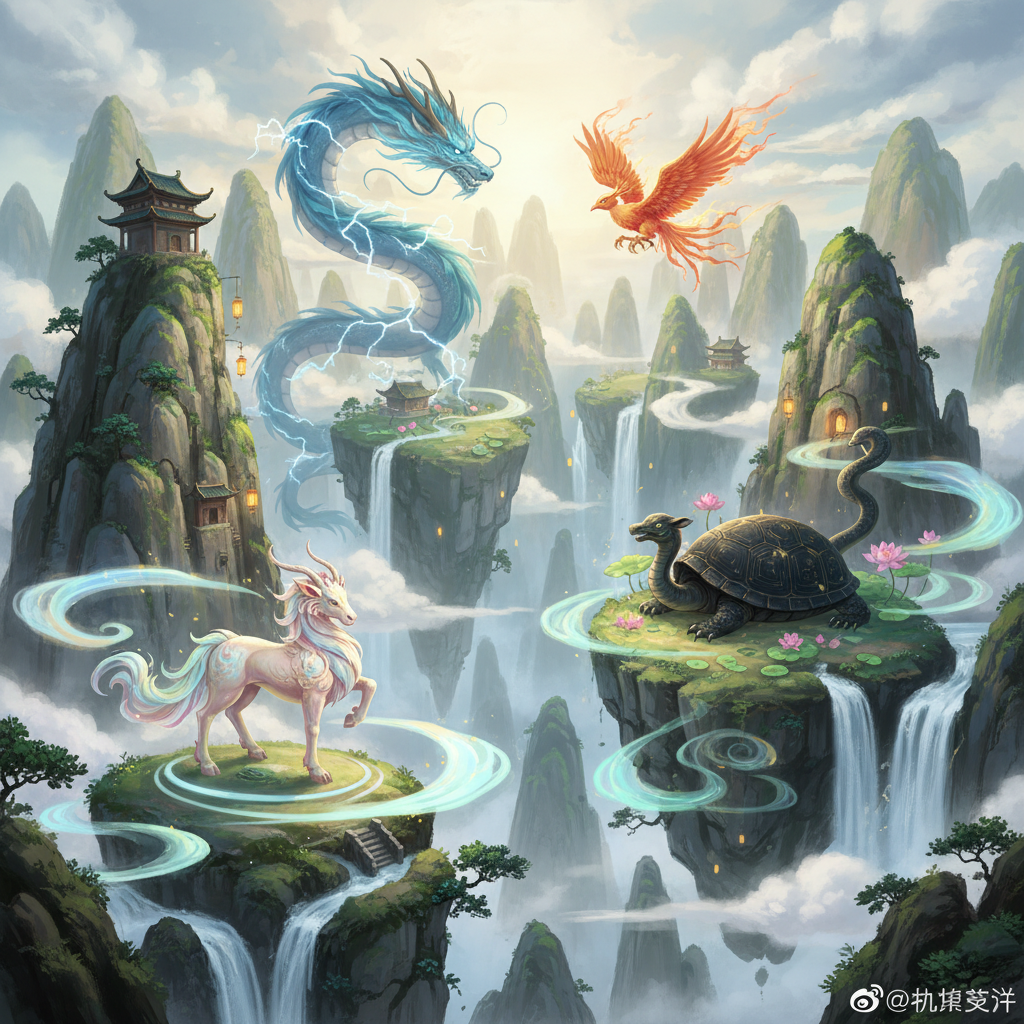
The fascination with mystical beasts in Chinese lore dates back thousands of years. Ancient Chinese mythology is rich with legendary creatures such as dragons, qilins, phoenixes, and tortoises, each symbolizing a particular virtue or natural power. These creatures were believed to inhabit astral or spiritual realms, often serving as protectors or embodiments of cosmic balance.
In Taoism and traditional Chinese cosmology, animals are not mere beasts but manifestations of qi (vital energy). This belief profoundly influenced cultivation fiction, where cultivating immortality involves harmonizing with qi flow and spiritual energies—frequently represented by mystical beasts that act as guides or allies for cultivators. The integration of historical myths with Taoist alchemy and Buddhism creates a compelling framework in xianxia fiction where beasts are both metaphysical and physical entities.
Mystical Beasts as Spirit Guardians and Companions
Within the narrative structure of cultivation stories, mystical beasts often appear as spirit guardians or companions to cultivators. These creatures are not simply pets but are embodiments of spiritual power and critical to a cultivator’s path. Examples include spiritual dragons that amplify a hero’s cultivation speed or phoenixes that resurrect cultivators after death.
The relationship is symbiotic: cultivators nurture and protect their beasts through shared qi, while the beasts enhance their masters’ strength and insight. This bond often reflects ethical themes such as loyalty, balance between nature and humanity, and the spiritual harmony needed for ascension. Spirit beasts also act as markers of a cultivator’s progress, with rarer and more powerful beasts signifying higher cultivation stages and access to deeper spiritual realms.
Role of Mystical Beasts in Immortal Cultivation and Power Progression
Immortal cultivation in xianxia fiction is a rigorous process of refining one’s body, mind, and spirit to transcend mortal limitations and enter enhanced spiritual realms. Mystical beasts are frequently intertwined with this journey. For example, some cultivators seek to absorb the beast’s qi or blood to break through cultivation bottlenecks, while others form alliances with beasts to guard sect bases or sacred lands.
In many stories, spirit beasts are themselves cultivators—entities that have achieved sentience and power through millennia of growth. Their presence enriches the cosmology by positioning beasts as parallel cultivators with their own hierarchies, abilities, and realms. The interplay between human cultivators and mystical beasts creates complex narrative dynamics reflecting broader philosophies about interdependence and the unity of all existence in Taoist thought.
Spiritual Realms: Habitats and Higher Dimensions of Mystical Beasts
Spiritual realms in Chinese cultivation fiction refer to metaphysical planes or pocket dimensions where laws of reality differ from the mortal realm. These realms are often the natural habitats or birthplaces of mystical beasts and are integral to the plot—offering settings for trials, battles, and enlightenment.
Mystical beasts are not only inhabitants but sometimes the rulers or gatekeepers of these spiritual realms. They embody environmental energies, ranging from elemental forests inhabited by fierce qilins to celestial mountain peaks guarded by dragons. Accessing these realms often requires the cultivator to pass tests or form contracts with the territorial beasts, underscoring themes of respect towards nature and spiritual authority.
Furthermore, spiritual realms frequently serve as places where cultivation resources—rare herbs, spiritual stones, or cultivation alchemy ingredients—are found. Mystical beasts protect these resources, making the cultivation of beasts and mastery of spiritual realms inseparable pursuits.
Conclusion: Mystical Beasts as Symbols of Balance and Transcendence
In Chinese cultivation fiction, mystical beasts occupy a role far beyond mere fantastical creatures; they are vital symbols of natural order, spiritual power, and the aspirational journey toward immortality. Rooted in ancient Chinese mythology and Taoist-inspired cultivation theories, these beasts connect readers to a deeply philosophical worldview where humans coexist with spiritual forces.
Through their interactions with cultivators and their stewardship of spiritual realms, mystical beasts portray the delicate balance between human ambition and cosmic harmony. For audiences globally, these narratives offer more than escapism—they provide insight into Chinese cultural values surrounding nature, spirituality, and transcendence. As cultivation fiction continues to grow in popularity, the revered presence of mystical beasts ensures that these age-old concepts thrive in modern storytelling.