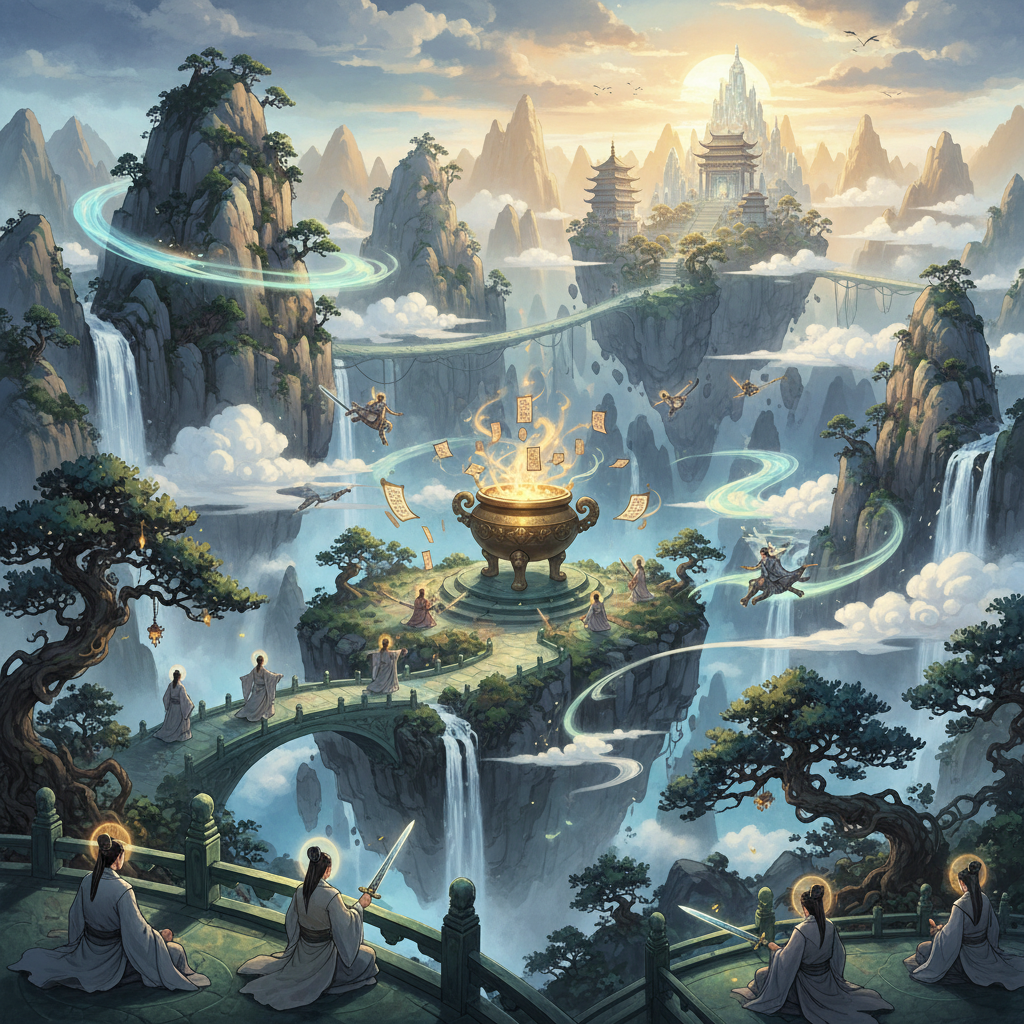
The Enchantment of Artifacts in Xianxia Fiction
Xianxia, a genre of Chinese fantasy literature, draws deeply from the rich tapestry of Taoist philosophy, Chinese mythology, and history. Central to this narrative style is the concept of cultivation, where characters aspire to achieve immortality by harnessing the natural energies of the universe, known as "qi". Within these fantastical tales, artifacts serve as vital tools that facilitate a character's journey through spiritual realms. This article will explore the significance of artifacts, their historical context, and their contribution to the fascinating world of Chinese cultivation fiction.
The Historical Roots of Artifacts
Artifacts have deep historical roots in Chinese culture, dating back thousands of years to ancient dynasties. In Taoism, the belief in the potency of talismans and mystical objects was prevalent, with texts such as the Daozang (Taoist Canon), describing various magical implements. These artifacts were often believed to channel divine energies or protect the user from malevolent forces.
In the context of xianxia fiction, artifacts transcend mere objects. They are imbued with spiritual significance and often serve as extensions of a cultivator's will and strength. Items like flying swords, elixirs, and magical amulets not only highlight the mastery of cultivation but also represent the deep connections between humanity, nature, and the cosmos.
Types of Artifacts in Xianxia
Artifacts in xianxia fiction can be classified into several categories, each serving distinct purposes for character development and plot progression:
-
Weapons - Often, protagonists wield ancient swords or enchanted staffs that enhance their martial prowess. These weapons may possess unique abilities, such as the power to siphon qi or unleash devastating attacks.
-
Spiritual Talismans - These are used for protection, healing, or channeling energy. Characters often rely on talismans imbued with powerful spells for critical situations.
-
Alchemy Tools - Given the significance of alchemy in cultivation—creating elixirs and pills—various magical cauldrons and tools become artifacts of importance, highlighting the balance between physical and spiritual transformation.
-
Magical Constructs - Items like flying chariots or portable spaces facilitate transportation between the realms, symbolizing freedom and the endless pursuit of knowledge.
-
Fabled Relics - These are often relics from ancient times and carry legacies that can change the fate of characters. Their origins might be shrouded in mystery, adding layers to the narrative.
Cultural Significance of Artifacts
The significance of artifacts in xianxia fiction extends beyond their functionality; they embody cultural perceptions of harmony, the cosmos, and the interconnection between reality and the spiritual world. They often represent the aspirational journey of the cultivator—artifacts become symbols of one's growth, commitment, and the trials they endure.
Additionally, the interplay between artifacts and characters emphasizes the broader moral and ethical challenges faced in the quest for power. Characters who misuse artifacts or delve into materialism often encounter dire consequences, reflecting traditional beliefs about the dangers of straying from the path of righteousness. This moral dimension highlights the enduring struggle between good and evil woven through Chinese culture.
Artifacts as Catalysts for Character Development
In the world of xianxia fiction, artifacts serve as more than mere enhancements or conveniences; they act as catalysts for character development. A character's relationship with their artifacts often reflects their inner journey. From the humble beginnings of wielding a lowly talisman to finally mastering an unparalleled divine sword, this evolution mirrors their growth in cultivation.
Moreover, the quest for rare artifacts can drive plot points, leading to profound experiences that shape the characters' beliefs, ambitions, and relationships. This narrative device effectively engages readers and provides a dynamic framework for exploring themes of ambition, sacrifice, and the pursuit of immortality.
Conclusion: The Legacy of Artifacts in Xianxia Fiction
Artifacts in xianxia fiction encapsulate a rich blend of history, philosophy, and cultural values. They play a pivotal role in portraying the path of cultivation, embodying the spiritual and moral complexities that define the journey toward immortality. As readers find themselves entranced by these tales, the artifacts serve not only as tools of power but as profound symbols of the eternal quest for wisdom and enlightenment in a universe of infinite possibilities.
Through the lens of these artifacts, xianxia fiction continues to inspire and resonate, representing a unique cultural narrative that bridges the ancient with the modern, inviting readers to reflect on their own journeys within the multifaceted realms of existence.