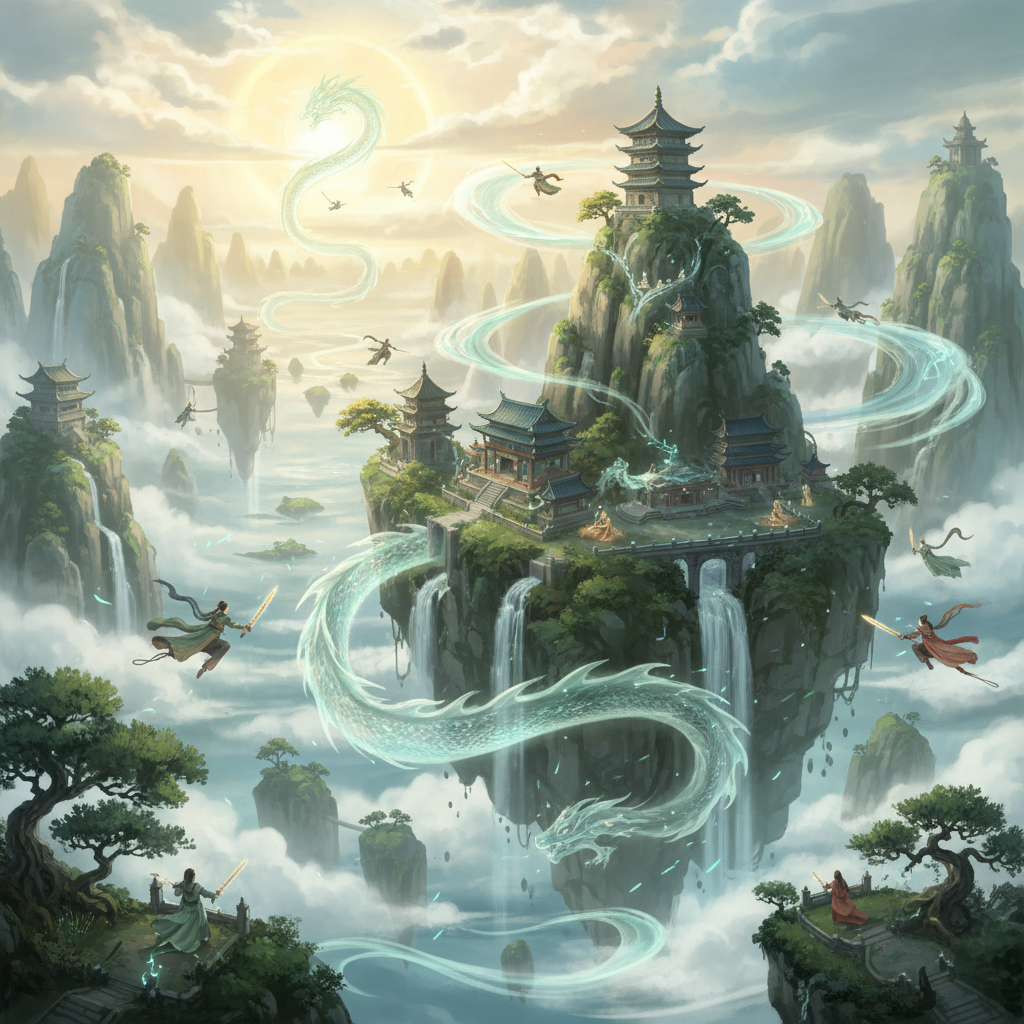
The Allure of Xianxia Fiction
Chinese cultivation fiction, particularly the subgenre known as xianxia, has captivated audiences both domestically and globally. Derived from traditional Chinese mythology and Daoist philosophy, xianxia revolves around the quest for immortality, enlightenment, and ascension to the celestial realms. The genre intertwines fantastical elements with rich cultural narratives, making it an intriguing facet of modern Chinese literature.
Historical Context: Roots in Ancient Philosophy
The origins of xianxia can be traced back over two millennia to ancient Chinese philosophies, particularly Daoism. The concept of “xian” or immortals has deep roots in Daoist texts such as the "Dao De Jing" and "Zhuangzi." In these works, immortals represent individuals who have transcended the physical realm, achieving harmony with the universe. The synthesis of these philosophical ideas over centuries laid the groundwork for the modern xianxia genre, which emerged in the late 20th century, primarily as a part of online literature.
Cultural Significance: A Reflection of Aspirations
Xianxia serves as a mirror to contemporary societal aspirations and struggles. In a rapidly changing world, the themes of cultivation, self-improvement, and transcendence resonate deeply with readers. Characters ascending from humble beginnings to unimaginable heights symbolize the potential for personal growth and achievement. This reflects a universal desire for self-actualization—a concept that is increasingly cherished in modern society, especially within the context of the competitive nature of contemporary life.
Moreover, the language and idioms used in xianxia fiction often invoke traditional Chinese landscapes, philosophies, and cultural motifs, enriching the reading experience with layers of meaning. Readers are not just entertained but also engaged with their cultural heritage, which fosters a deeper connection to their identity.
Spiritual Realms: The Structure of Cultivation
In xianxia narratives, the journey of cultivation is not merely a physical undertaking but also a spiritual one. Cultivators traverse through various realms, often characterized by unique challenges and escalating power levels—ranging from mortals to celestial beings. Each realm is populated with distinct mythologies, creatures, and master-disciple relationships, reflecting the interconnectedness and interoperability of different paths.
These spiritual realms serve more than just a narrative function; they symbolize the journey of life and the paths individuals may take toward enlightenment. The challenges faced at each stage typically represent the internal struggles individuals must confront, including fear, doubt, and the quest for knowledge. Such themes resonate beyond the genre, touching upon universal human experiences.
The Role of Sect Politics and Relationships
Sect politics plays a pivotal role in shaping the narratives found within xianxia. These fictional sects, akin to schools or monasteries, act as both allies and obstacles for the protagonists. The politics surrounding these organizations often involve power struggles, alliances, betrayals, and fierce rivalries. These complex relationships add an additional layer of intrigue and can reflect real-world hierarchies and power dynamics, drawing readers into the nuanced fabric of this fictional society.
Additionally, the connection between master and disciple is a central theme in these stories. The dynamic illustrates the transmission of knowledge and power, reinforcing cultural values such as respect for elders and the importance of lineage. These relationships are often laden with emotional depth, showcasing the sacrifices and dedication involved in the pursuit of mastery.
Bridging Tradition and Modernity
In recent years, xianxia has evolved, incorporating elements of modern storytelling techniques, alongside social commentary and complex character development. With the rise of digital platforms, the genre has proliferated, allowing for diverse voices and interpretations.
For instance, contemporary authors may incorporate issues such as mental health, identity, and societal change within their plots, merging traditional philosophies with pressing modern themes. This evolution not only preserves the cultural significance of xianxia but also ensures that it remains relevant for new generations.
Conclusion: An Ever-Expanding Universe
Chinese cultivation and xianxia fiction offer readers a fascinating glimpse into a rich tapestry woven from ancient philosophy, cultural significance, and a deep yearning for understanding the self and the universe. As this genre continues to expand and evolve, it remains a powerful medium for exploring timeless themes of aspiration, transformation, and self-discovery—inviting readers from all backgrounds into its otherworldly yet profoundly relatable realms. Whether you’re a longtime fan or a newcomer, the world of xianxia beckons with promises of adventure, enlightenment, and the eternal quest for immortality.