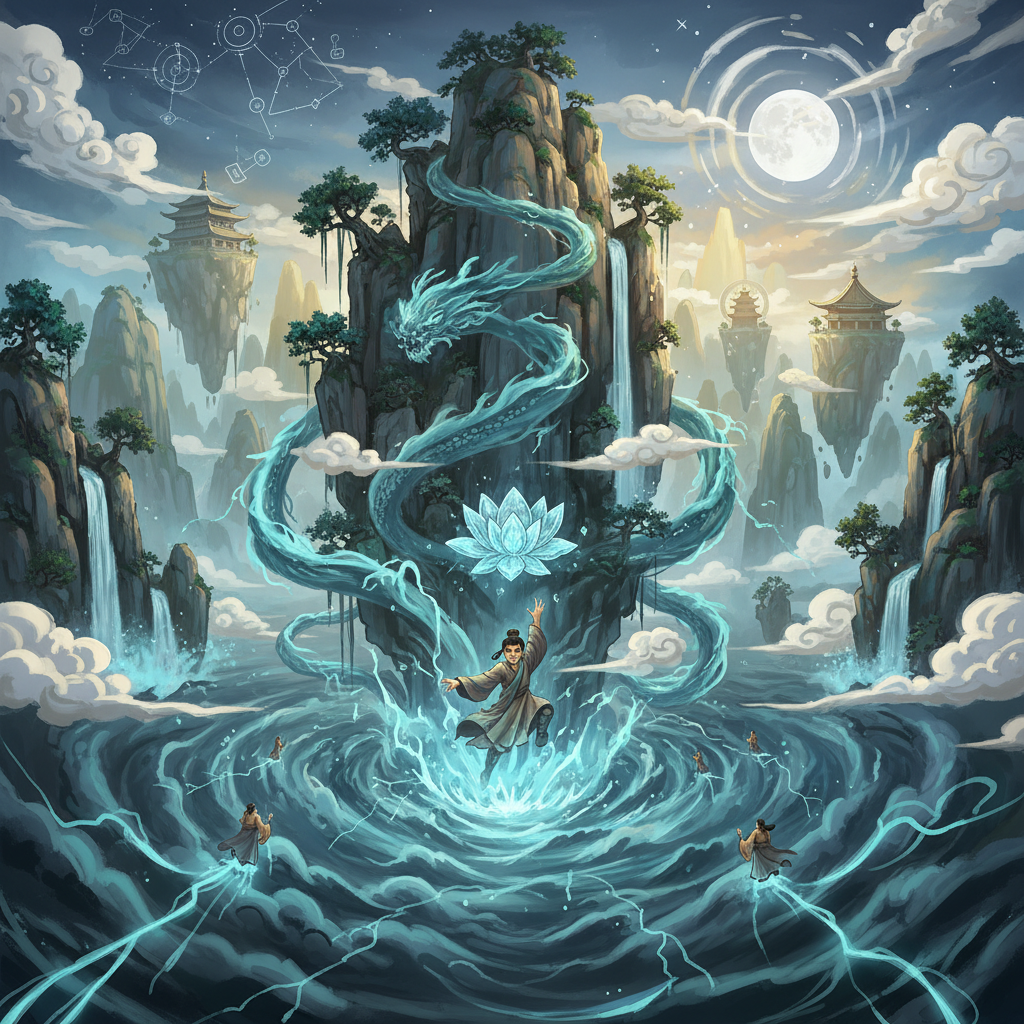
Understanding Tribulations in Chinese Cultivation Fiction
Chinese cultivation fiction, particularly the popular subgenre known as xianxia, intricately weaves themes of spiritual growth and immortality into its narratives. Central to this genre are the trials and tribulations faced by protagonists as they journey towards enlightenment and transcendence. The term "tribulation" relates to the obstacles—and often perilous tests—encountered by characters on their quest for immortality, reflecting the philosophical and cultural values deeply ingrained in Chinese society.
Historical Context of Cultivation Fiction
The roots of cultivation fiction can be traced back to classical Chinese literature, particularly Taoist texts that discuss the concepts of immortality and spiritual enlightenment. Works like the "Tao Te Ching" and "Zhuangzi" laid the groundwork for spiritual and metaphysical inquiries that later influenced xianxia narratives. As China underwent socio-political changes from the Tang Dynasty through the Ming Dynasty, novels began to incorporate whimsical elements of fantasy, showcasing characters who wielded supernatural powers and faced epic challenges. The Ming Dynasty's "Journey to the West" is notable for its blending of spirituality with adventurous storytelling, setting the stage for later xianxia tales.
The Cultural Significance of Tribulations
Tribulations in xianxia fiction symbolize the universal human struggle against adversity. These challenges not only propel the plot but also serve as allegories for moral and ethical dilemmas, prompting readers to reflect on their own lives. For instance, characters must often confront their inner demons, personal ambitions, and moral choices. The tribulation serves as a crucible that tests their character and fortitude, mirroring the Chinese philosophical belief in refinement through hardship. This aligns with the Confucian value of resilience, where overcoming obstacles is seen as essential for personal growth.
Types of Tribulations: Themes and Variants
Tribulations can manifest in various forms, each representing different aspects of a character's journey. Common types include:
-
Heavenly Tribulations: These are celestial tests often heralded by natural phenomena like thunderstorms or other upheavals, representing the universe's judgment upon the cultivator. Such tribulations often reflect a character's growth stage; as one reaches higher realms of cultivation, the trials become increasingly severe.
-
Inner Tribulations: More introspective in nature, these tribulations may involve conflicts such as doubt, insecurity, or the temptation to utilize dark powers. These trials highlight the importance of mental fortitude and ethical integrity in the face of power.
-
Interpersonal Tribulations: These usually manifest as clashes with rivals, betrayal by allies, or challenges posed by mentors. They explore the dynamics of relationships within the cultivation world, emphasizing loyalty, betrayal, and the complexities of ambition.
These diverse tribulations enrich the narrative tapestry, allowing authors to explore philosophical themes while delivering high-stakes drama to their audiences.
The Evolution of Tribulations in Modern Xianxia
Modern xianxia literature has seen a rise in Western influence, merging traditional Chinese values with contemporary storytelling elements. As the genre gains international popularity, tribulations evolve to encompass a broader array of conflicts—social, emotional, and psychological—that resonate with a global audience. For instance, the rise of internet novels has allowed for serialization, leading to longer narratives with more intricate plots and character development. Readers now see tribulations not merely as obstacles, but as opportunities for growth, reflection, and profound transformation.
Conclusion: Tribulations as Life's Reflection
In conclusion, tribulations in Chinese cultivation fiction are more than mere plot devices; they are rich, multi-layered elements that reflect the philosophical undercurrents of the culture. By facing and overcoming these challenges, characters embody the process of personal growth, mirroring our own struggles and aspirations for transcendence. As the genre continues to evolve and resonate with readers across cultures, tribulations will remain a compelling and essential aspect of the immortal cultivation narrative, inviting introspection and inspiring perseverance in the journey of life.