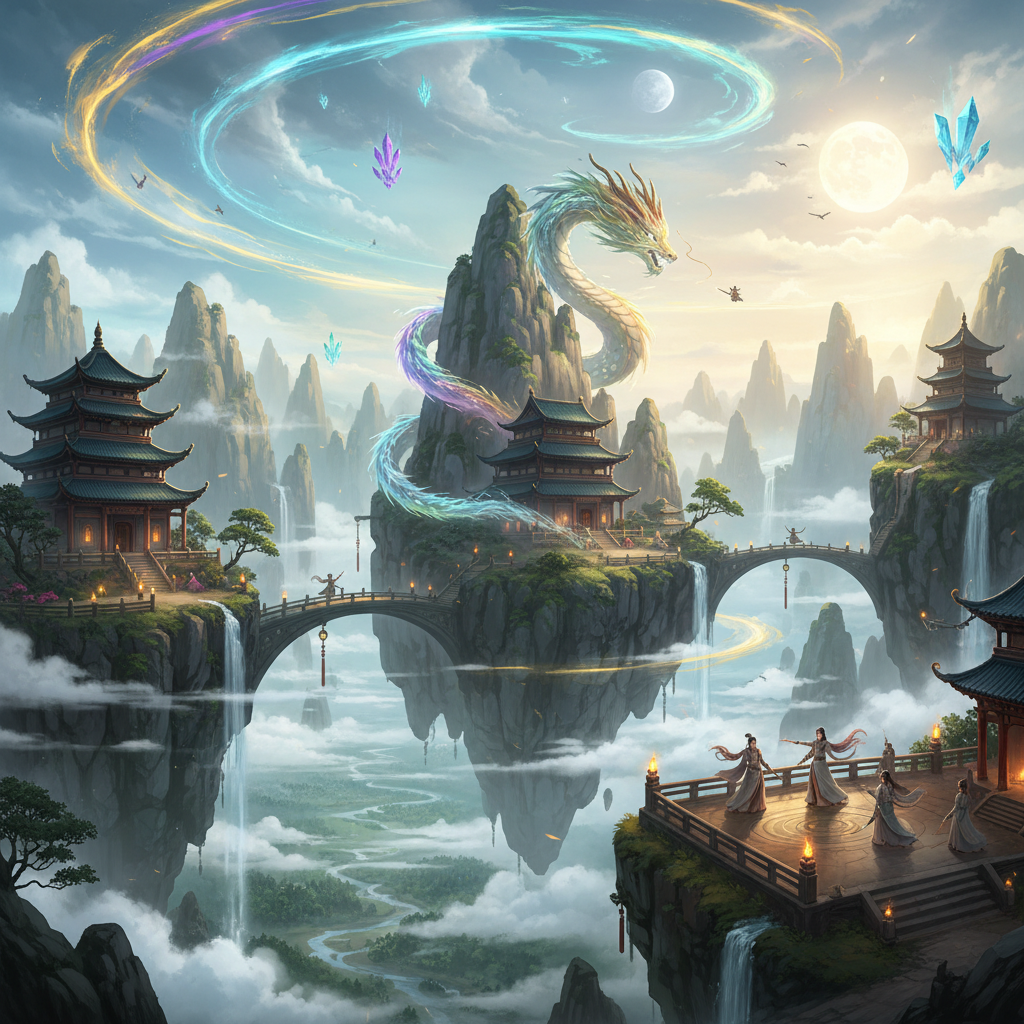
The Allure of Chinese Cultivation Fiction
Chinese cultivation fiction, particularly xianxia (仙侠), combines fantastical elements with deep-rooted philosophical themes, echoing traditions from ancient Chinese culture. This genre, characterized by its focus on immortal cultivation, transcends mere entertainment; it offers a complex tapestry of moral dilemmas, spiritual journeys, and intricate world-building.
Historical Context: The Origins of Cultivation
The roots of cultivation fiction trace back to ancient Chinese mythology and Taoism, where the pursuit of immortality was a prominent aspiration. Texts such as the Dao De Jing laid the groundwork for understanding the interconnectedness of nature, humanity, and the universe. The cultivation narrative evolved, gaining momentum during the Ming and Qing dynasties, culminating in the modern xianxia genre that makes use of classic themes of ascension, divine intervention, and moral integrity.
By the late 20th century, Chinese internet literature began to flourish, leading to the rise of serialized novels. Authors like Jin Yong and Xiao Ding pioneered this movement, weaving traditional narratives of martial arts and alchemy with fresh, contemporary twists that appealed to a new generation of readers.
Core Concepts of Immortal Cultivation
At its heart, xianxia fiction revolves around the concept of "cultivation" (修炼). This process involves the enhancement of physical, mental, and spiritual abilities to reach "Immortal" status, or becoming a xian (仙). The journey typically entails rigorous training and the pursuit of spiritual realms, navigating moral and ethical challenges along the way.
Spiritual Realms: A Journey Beyond
In xianxia novels, spiritual realms are depicted as intricate layers of existence, each one presenting unique trials and opportunities for growth. The most common realms include "Foundation Establishment," "Core Formation," and "Nascent Soul," among others, each representing a significant leap in power and understanding of the universe. Characters often undergo transformative experiences within these realms, fostering personal growth and philosophical insights.
The spatial dynamics of these realms can draw parallels to Buddhist cosmology, where different levels of existence represent the individual's spiritual journey. Such representations not only serve to engage readers but also reinforce cultural beliefs about self-cultivation and enlightenment.
Cultural Significance and Themes
The themes present in xianxia fiction resonate deeply within the Chinese cultural context. Central to many stories is the dichotomy of good versus evil, a reflection of Confucian moral principles. The heroes, often portrayed as humble seekers of knowledge, grapple with ethical choices and the consequences of power. This moral complexity speaks to the significance of harmony and virtue in Chinese society.
Moreover, the element of community plays a vital role; characters often belong to sects or clans, emphasizing the value of unity and cooperation. These groups function similarly to modern social structures, suggesting that collective strength is necessary to overcome personal and external challenges.
The Modern Popularity of Xianxia
The popularity of xianxia fiction has surged internationally, especially with the advent of web novels and online platforms that cater to global audiences. Translations and adaptations into various media, including manhua and animated series, have introduced these rich narratives to a broader demographic, expanding the cultural exchange surrounding Chinese stories and philosophies.
This trend reflects a cultural moment where global audiences are increasingly engaged with non-Western narratives, seeking relatable themes of growth, resilience, and destiny. The mystical appeal of xianxia fiction captures the imagination, and its underlying philosophies resonate universally, reinforcing shared human experiences.
Conclusion: The Enduring Legacy of Cultivation Fiction
Chinese cultivation fiction and xianxia narratives transcend mere storytelling; they encapsulate centuries of philosophical thought, spiritual exploration, and cultural richness. As readers continue to be enchanted by these tales of immortal cultivation and spiritual realms, the genre not only preserves traditional values but also adapts to contemporary inquiries about existence and the cosmos.
As the genre evolves, it will undoubtedly inspire future generations of writers and readers alike, ensuring the enduring legacy of cultivation fiction within both Chinese culture and the global literary landscape. Through the lens of xianxia, we are invited to explore our own paths of growth, understanding, and immortal potential.