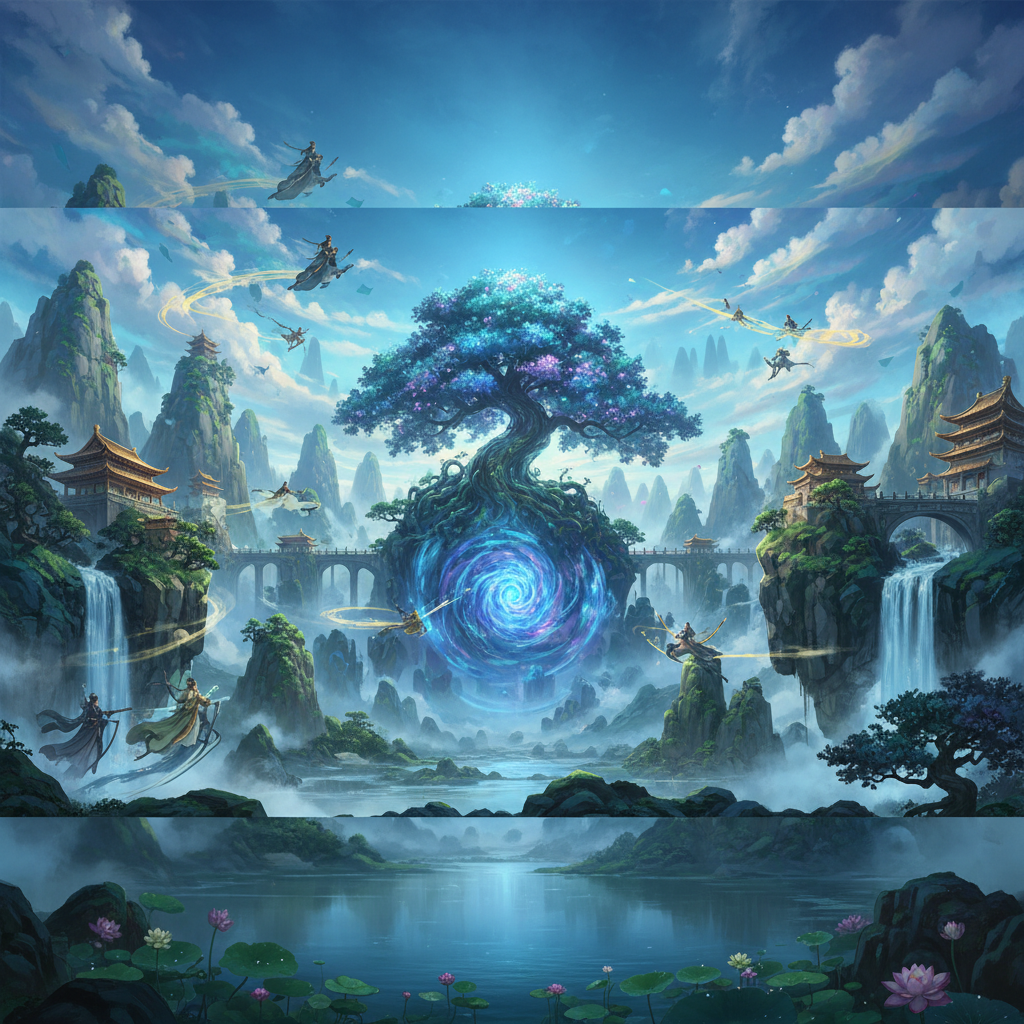
The Enchantment of Immortal Cultivation in Modern Chinese Fiction
Chinese cultivation fiction, particularly xianxia (仙侠) literature, has gained immense popularity both domestically and internationally, acting as a bridge between top-tier storytelling and rich cultural heritage. This genre offers a fascinating exploration of spiritual realms and the timeless pursuit of immortality, making it a captivating subject for readers around the world. In this article, we will delve into the historical context, cultural significance, and compelling themes that shape this enthralling literary landscape.
Historical Roots of Cultivation Fiction
The origins of cultivation fiction can be traced back to ancient Chinese philosophy, literature, and mythology. Elements of Daoism play a pivotal role in shaping the narratives found within xianxia fiction. Daoism emphasizes harmony with nature, the pursuit of longevity, and the quest for transcendence that mirrors the central themes of these stories. The merging of mythological figures, hermit scholars, and legendary creatures creates a complex tapestry that has evolved over centuries, culminating in the modern xianxia genre we know today.
During the Tang and Song dynasties, literary works began to incorporate fantastic elements, laying the groundwork for the cultivation genre. Authors like Liu Yuxi and Bai Juyi set the stage for intertwined tales of heroism, adventure, and the supernatural. By the time the Ming Dynasty rolled in, classical novels like "Journey to the West" infused humor and wisdom into these mythical narratives, driving interest further. In contemporary settings, cultivation fiction has transitioned from traditional texts to digital platforms, allowing for widespread access and the birth of a new generation of authors and readers.
Cultural Significance and Popularity in Modern Society
The appeal of cultivation fiction lies in its rich blend of fantasy, adventure, and philosophical inquiry. As modern society grapples with rapid technological advancements and increasing pressures, these narratives provide an escape to idyllic, ancient settings filled with powerful cultivators and spiritual pursuits. Readers are often enamored by the moral and ethical dilemmas faced by characters in their quests for enlightenment.
Moreover, cultivation fiction acts as a microcosm of Chinese cultural beliefs, moral values, and societal structures. It instills a sense of community by embodying themes of loyalty, honor, and sacrifice that resonate deeply within the collective psyche. The portrayal of sects, clans, and rivalries reflects real-world interpersonal dynamics, making these fantastical tales feel grounded in reality while still delivering the thrill of the extraordinary.
Immortal Cultivation: A Journey Beyond Mortality
At the heart of xianxia fiction is the concept of 'immortal cultivation,' a multi-layered process through which characters strive to transcend their human limitations. This journey often involves rigorous training, discipline, and a profound understanding of the elements that govern the universe. Cultivators are typically categorized into various realms and levels, each representing a stage of spiritual evolution, allowing for the delineation of power hierarchies and real-world implications for the characters involved.
As cultivators advance through different realms, they encounter challenges that test their abilities and moral compass. From traversing treacherous mountains to conquering fearsome beasts, each challenge faced contributes to their growth not only as warriors but as spiritual beings. The graphical depiction of these journeys creates a mesmerizing allure for readers, often inspiring them to reflect on their own life challenges and aspirations for transcendence.
Spiritual Realms and Their Implications
The world-building in xianxia fiction is intricate, with a well-defined structure of spiritual realms and dimensions. The contrasting landscapes of celestial palaces, hidden valleys, and ethereal realms emphasize the disconnect between the mortal plane and the higher concentrations of energy and power. This layered universe serves a dual purpose: it cultivates a sense of wonder while simultaneously establishing a complex hierarchy akin to feudal systems.
In these stories, spiritual realms are often a metaphor for personal and communal growth. The transcendence that cultivators seek can reflect an individual’s pursuit of progress and self-improvement in the modern world. Such ties to the intricacies of life push readers to engage with the moral questions posed within these texts, allowing for an enriching experience that goes beyond entertainment.
Conclusion: The Future of Xianxia
As digital platforms continue to shape the landscape of literature, the allure of Chinese cultivation fiction is poised for even greater expansion. With emerging authors exploring innovative storytelling techniques and themes that resonate globally, the genre is likely to see a diversification of narratives and characters. The timeless motifs of eternal life and moral growth will keep drawing readers in, allowing the rich cultural heritage of China to thrive in contemporary society.
In essence, xianxia and cultivation fiction do more than enchant; they offer profound reflections on life, society, and the innate human longing for transcendence, making them an essential component of modern literary discourse.