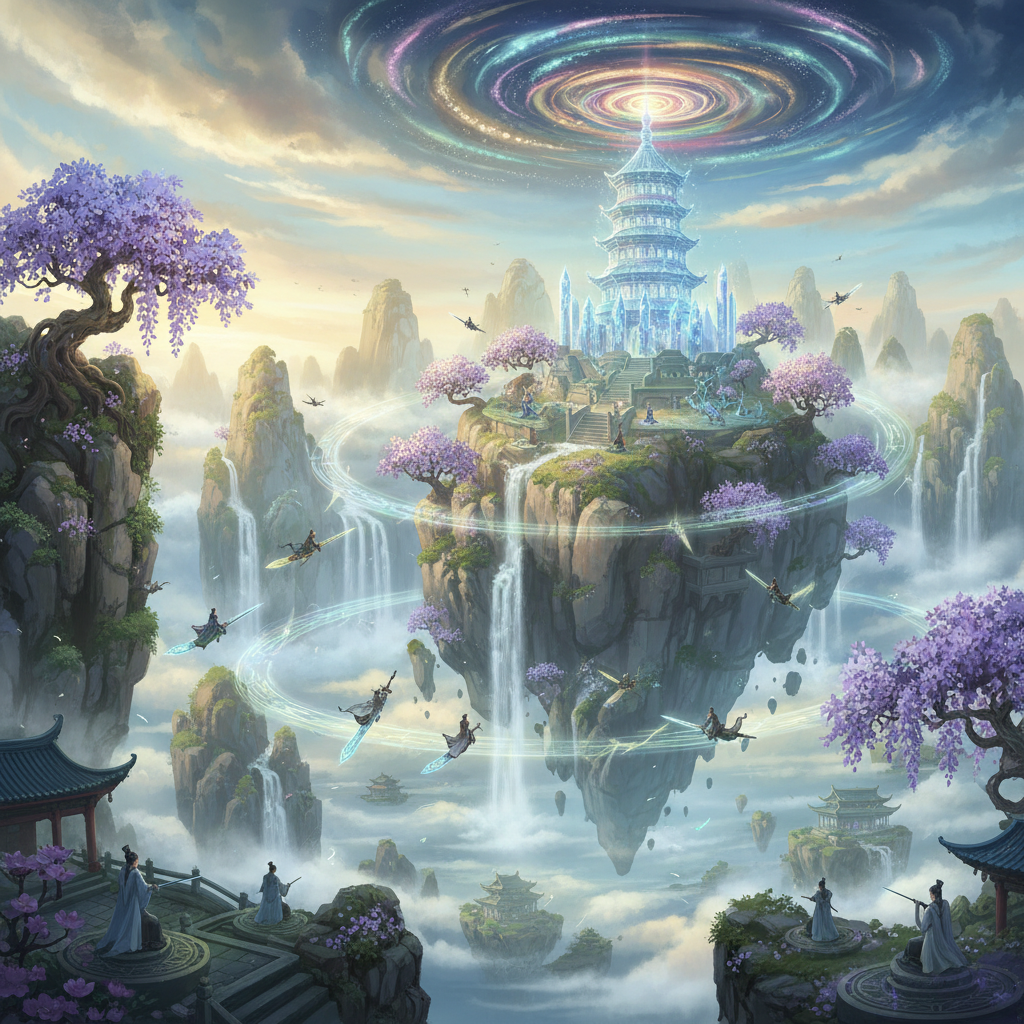
The Historical Roots of Chinese Cultivation Fiction
Chinese cultivation fiction, particularly the xianxia genre, has deep historical roots that intertwine with traditional Chinese philosophy, folklore, and spirituality. The term "xianxia" translates roughly to "immortal hero" and signifies an expansive genre in both literature and modern media where heroes pursue immortal status through cultivation. This journey often involves rigorous training, martial prowess, and mastery over mystical and supernatural forces.
The origins of these narratives can be traced back to the Daoist texts of ancient China, where the quest for immortality was a preoccupation among sages and scholars. Daoism emphasizes harmony with the cosmos, meditation, and the art of cultivating oneself both physically and spiritually to achieve enlightenment or immortality. Over the centuries, these themes evolved, reflecting the changing dynamics of Chinese society, including its Confucian, Buddhist, and folklore influences.
Cultural Significance of Immortal Cultivation
Cultivation fiction resonates deeply within the fabric of Chinese culture, serving as a mirror for societal values, aspirations, and fears. It represents a quest not just for personal achievement but a greater connection to the universe—transcending mortal limitations and acquiring wisdom. The underlying philosophical principle often echoes the ancient adage of "heaven, earth, and humanity" being interconnected.
Moreover, these stories cater to the universal desire for self-improvement and transformation, which remains relevant across cultures. The protagonists' struggles against the world—be it rival sects or internal demons—serve as an allegory for overcoming personal challenges. Within the narratives of xianxia, we find moral lessons that are deeply rooted in traditional Chinese ethics, emphasizing values such as loyalty, perseverance, and harmony.
The Structure of Cultivation and Spiritual Realms
A hallmark of xianxia fiction is its intricate system of cultivation levels and spiritual realms. These typically range from the foundational "Mortal Realm" to higher forms such as "Immortal" or "Ascendant Realms," where cultivators gain immense power and wisdom. Each transition marks not only a physical elevation in strength but also a deeper understanding of the universe's mysteries.
These realms often encompass distinct characteristics and challenges. For example, the "Spirit Realm" may involve mastering the elements, while the "Celestial Realm" introduces deities and cosmic entities to interact with. This structured approach helps to engage readers, as they anticipate the journey of characters through various stages of growth and development.
Modern Adaptations and Popularity
Today, xianxia has garnered immense popularity beyond traditional literary forms, permeating anime, films, and online gaming. Platforms such as web novels have breathed new life into the genre, allowing for interactive storytelling where readers can collectively engage in character development, plot twists, and world-building. This evolution speaks to the growing globalization of Chinese culture, as xianxia now appeals to an international audience with diverse backgrounds.
Moreover, adaptations of these stories into television series and films, such as "The King's Avatar" and "Noble Aspirations," have cemented the genre's relevance in contemporary entertainment. Such works have not only showcased the artistic potential of xianxia but have also introduced rich Chinese folklore and philosophical ideology to global viewers.
Challenges and Criticisms
Despite its appeal, the genre is often critiqued for its repetitive tropes and sometimes formulaic storytelling. Common themes of revenge, betrayal, and the "underdog becomes a hero" narrative can become predictable, leading to occasional disinterest among seasoned readers.
Moreover, there have been debates around the portrayal of women in xianxia. While some recent works have begun to challenge traditional gender roles by showcasing strong female cultivators, there are still prevalent stereotypes that can be problematic. Addressing these critiques is an ongoing discussion within the xianxia community, fostering a dialogue about representation and character development.
Conclusion: The Enduring Legacy of Xianxia
As we delve deeper into the realm of Chinese cultivation and xianxia fiction, we uncover a multifaceted narrative that reflects existential quests for meaning and immortality in both ancient and modern contexts. This genre showcases not only the richness of Chinese history and culture but also addresses universal themes that resonate with a global audience. The evolution of xianxia remains a testament to the enduring human fascination with the pursuit of greatness and the exploration of the spiritual dimensions that lie beyond the mortal coil. Whether it’s through epic confrontations or profound self-discovery, xianxia fiction continues to captivate readers and viewers alike, ensuring its place in literary and cultural history.