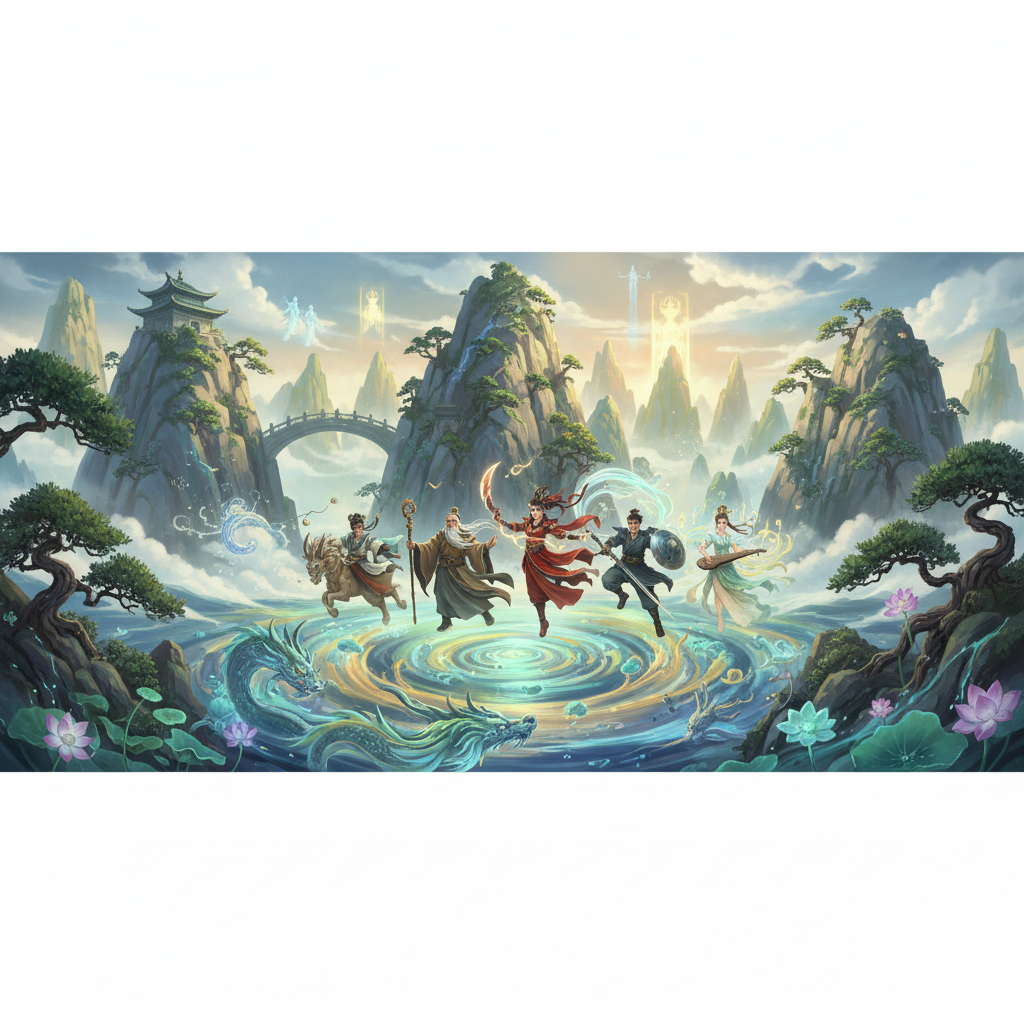
Understanding the Appeal of Characters in Xianxia Fiction
Chinese cultivation, particularly in the realm of xianxia fiction, captivates readers with its intricate narratives centered around the pursuit of immortality and spiritual elevation. At the heart of these stories lie a diverse array of characters, each with their own ambitions, struggles, and transformations. This article explores the character archetypes and cultural significance of these figures in creating a rich landscape in which themes of power, morality, and personal growth unfold.
Historical Context of Immortal Cultivation in Literature
The roots of immortal cultivation in Chinese fiction can be traced back to ancient texts that blend mythology, philosophy, and the quest for transcendence. Historical works such as the Daoist texts emerged, shaping the idea of cultivation as a path to becoming an immortal being. This notion matured over centuries, gaining prominence in various literary forms and evolving into the popular xianxia genre of the 20th century. Characters in these narratives often embody philosophical ideals derived from Daoism and Confucianism, which inform their moralities, struggles, and aspirations.
Archetypal Characters in Chinese Cultivation Fiction
Xianxia fiction features a vibrant array of characters, each typically fitting into specific archetypes that serve both narrative and thematic purposes.
The Protagonist: The Reluctant Hero
Often, the central character is an underdog—a young cultivator with humble beginnings who is destined to face enormous challenges. This character's journey to power mirrors the reader's desire for personal growth and triumph over adversity. Through hardship and trials, they develop their skills and intrinsic virtues, changing from naïve individuals into formidable beings. This transformation resonates deeply with readers, symbolizing the universal human experience of growth.
The Mentor: Wisdom and Guidance
Every protagonist requires guidance, often found in the form of a mentor. These characters are typically wise and powerful, embodying knowledge accumulated over centuries of cultivation. The mentor's role is crucial as they provide the protagonist with the necessary tools and insights to navigate the treacherous world of immortal cultivation. The relationships formed here highlight themes of loyalty, sacrifice, and the transfer of knowledge across generations.
The Antagonist: The Dark Counterpart
Equally compelling are the antagonists—characters driven by selfish motives, jealousy, or a yearning for absolute power. Often more formidable than the protagonists, these characters pose existential threats that challenge the protagonist’s ideologies and moral convictions. Their depth adds a layer of complexity, emphasizing the internal and external struggles faced during the cultivation process. The clash between the protagonist and antagonist is pivotal, allowing readers to explore themes of good versus evil, ambition, and the consequences of unchecked desires.
Spiritual Realms and their Influence on Character Development
In the world of xianxia, characters traverse through various spiritual realms, each representing differing levels of strength, enlightenment, and moral complexity. The hierarchy of realms serves not just as a backdrop but actively influences character development. As characters ascend through these realms, they confront greater challenges that often parallel their internal struggles. This interconnectedness between the realms and personal growth adds depth to the narrative, pushing characters towards self-discovery and resolution.
The Use of Spirit and Energy
The concept of qi (or chi)—the life force that pervades the universe—plays a fundamental role in shaping character abilities and interactions. Characters often engage in rigorous training methods, enhancing their qi to overcome obstacles. This interaction with the spiritual and energetic realms symbolizes the characters' internal battles as they strive for betterment. The emphasis on energy manipulation serves as a metaphor for human resilience and the pursuit of self-improvement.
Significance of Character Relationships in Xianxia
Another remarkable aspect of xianxia fiction is the emphasis on relationships between characters, particularly in the context of dual cultivation. These relationships—whether romantic, platonic, or mentor-mentee—serve as catalysts for character growth and plot progression. The dynamic interplay between characters enriches the narrative, providing emotional depth and exploring themes of love, betrayal, and solidarity. The collective experiences shape characters, influencing their paths and motivations in their quests for spiritual richness and immortality.
Conclusion: The Enduring Legacy of Characters in Xianxia Fiction
Characters in Chinese cultivation and xianxia fiction are more than just figures in a fantastical landscape; they embody aspirations, conflicts, and universal themes resonating across cultures. Through their journeys, readers are invited to reflect on their paths toward self-improvement, morality, and understanding of the spiritual complexities of life. As xianxia continues to evolve in modern literature and media, the unforgettable characters within these tales will surely remain a source of inspiration for generations to come.